Measuring what truly matters

Gross Domestic Suffering

GDP tells us how much a country produces. It says nothing about how much its people — and its animals — suffer. Gross Domestic Suffering is an alternative to GDP: an open index that measures exactly that, so we can work to end it.

185 countries · 2000–2023 · open data and code on GitHub

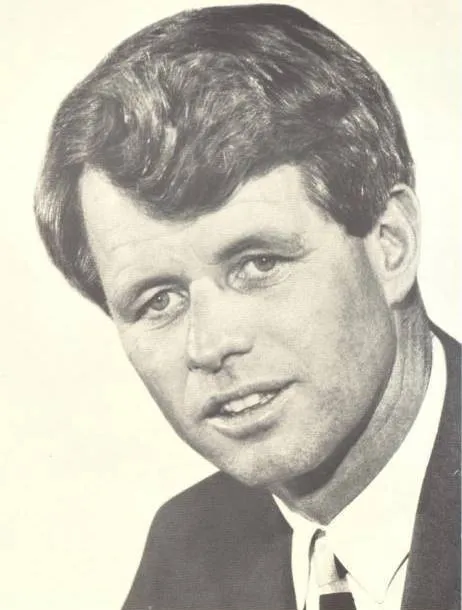
Portrait of Robert F. Kennedy, 1968

“[GDP] measures everything, in short, except that which makes life worthwhile.”

Robert F. Kennedy University of Kansas, March 18, 1968 · Read more

Beyond GDP

When we measure the wrong things, we get the wrong outcomes

For too long, nations have measured success by GDP growth while ignoring the human cost. Gross Domestic Suffering flips the question: not how much did we make? but how much preventable misery is left?

GDP rises when we build prisons, treat preventable disease and clean up pollution. It cannot see unpaid care, despair or cruelty. GDS brings those costs into view by combining outcome data on illness, gender and sexual discrimination, violence, unfreedom, deprivation and animal suffering into a single, transparent score.

  • GDP growth often masks underlying social problems
  • Wealth doesn't guarantee wellbeing
  • True progress requires measuring human impact
  • Policy should be judged by the suffering it prevents
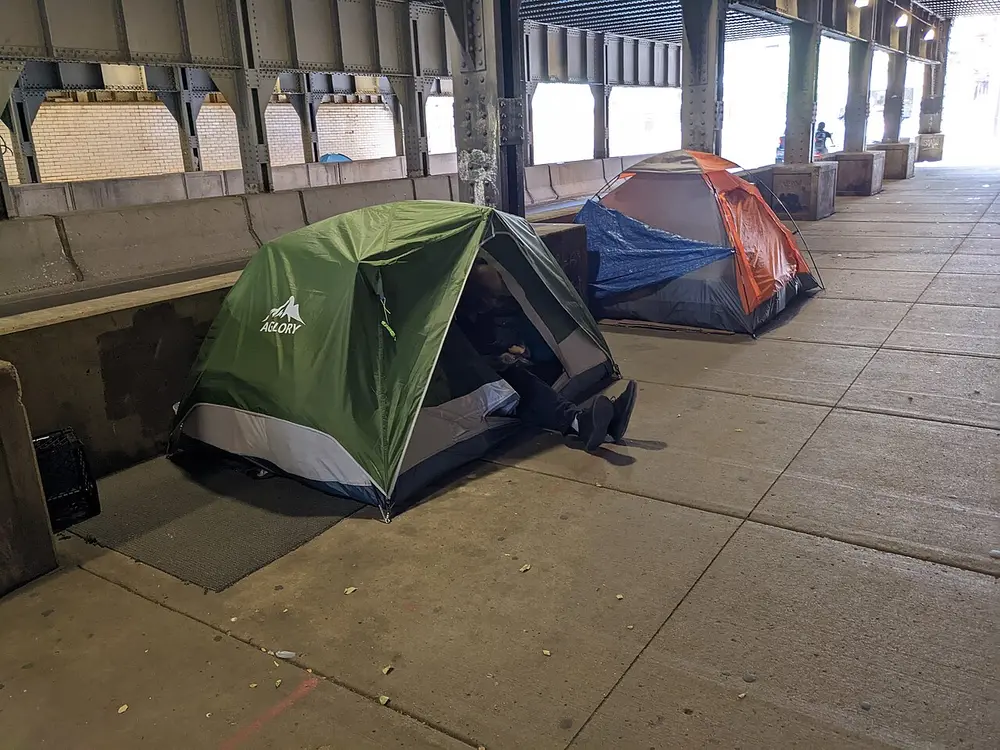
Tents of an encampment of unhoused people beneath a bridge in Chicago
Chicago, one of the world's richest cities. Growth and suffering can rise together. Photo: Grendelkhan, CC BY-SA 4.0.

Economists have been saying it for years

“…despite job gains we're in the midst of a huge increase in national misery.”

Paul Krugman, Nobel laureate in economics The New York Times, September 2020 · Read the article

GDP “omits domestic labour and other unpaid work, includes a great deal of economic activity that may be harmful to individuals, society or the environment, and is insensitive to inequality.”

Joseph Stiglitz, Amartya Sen & Jean-Paul Fitoussi Mis-Measuring Our Lives, report of the Commission on the Measurement of Economic Performance and Social Progress · Read the report

The GDS framework

Six kinds of preventable suffering

Unlike GDP, which treats all economic activity as positive regardless of impact, GDS measures what we should work to end. Every indicator counts suffering, comes from a large, public, internationally comparable source, and is scored on a fixed 0–100 scale so countries can be compared with each other and with their own past. Read the full methods.

Gender and sexual discrimination

Violence

  • Violent deathsHomicides, war deaths and suicides, per 100,000 · UNODC, UCDP, WHO
Cell block corridor in Philadelphia's historic Moyamensing Prison

Unfreedom

  • Unfree peoplePrisoners plus people in modern slavery, per 100,000 · World Prison Brief, Walk Free
  • OverworkWorkers putting in 49 or more hours a week · ILO
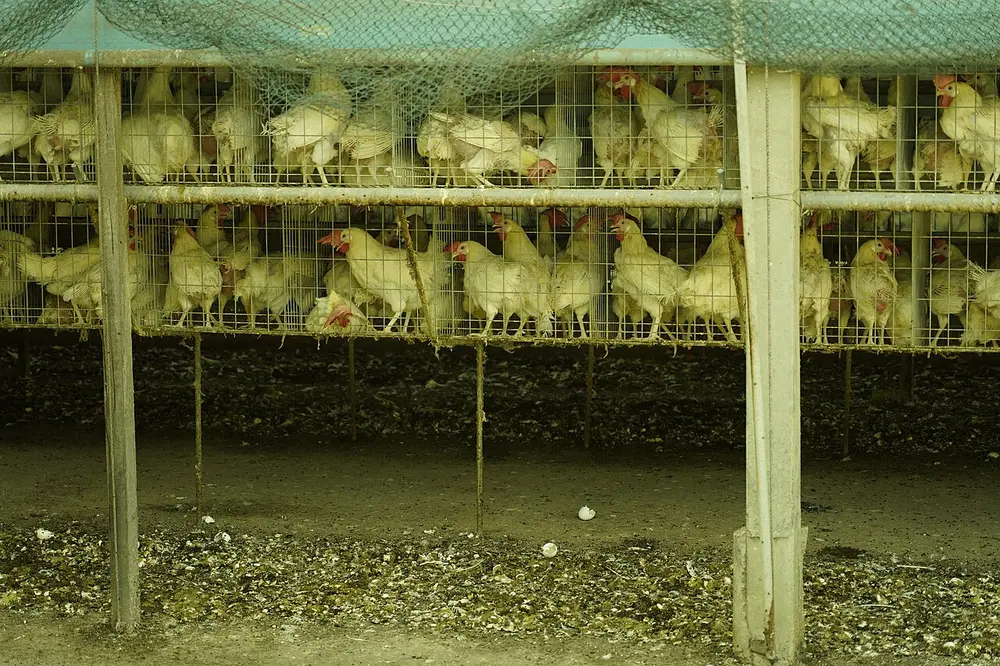
Egg-laying hens crammed into wire battery cages

Animal suffering

Panorama of São Paulo under a layer of air pollution

Considered, and why they're not counted separately

  • Length of life is not suffering in itself. We count early death instead, for the grief it causes.
  • Loneliness and stress have no open, global data going back to 2000, and feelings are hard to compare with violent death.
  • How much meat a country eats isn't counted. What matters is how animals are treated.
  • The Global Peace Index mixes in military spending and weapons exports, and already includes incarceration. We count violent deaths directly instead.
  • Unemployment causes suffering mainly through illness, poverty and crime, which we measure directly.
  • Air pollution and unsafe water cause suffering through illness and early death, which we already count.
  • Illiteracy and low test scores measure lost capability and future risk rather than suffering today. They'll appear on country pages.
  • The Fragile States Index measures risk and governance; its real harms are already counted in violence, unfreedom and deprivation.

Findings

GDS reveals what GDP conceals

GDS scores 188 countries for every year from 2000 to 2023, on a fixed scale from 0 (least suffering) to 100 (most). Here is what the 2023 results show.

61st United States, of 188 countries, behind China, Albania, Kazakhstan and Türkiye despite the world's largest GDP
81% of countries suffered less in 2023 than in 2000. The world score fell from 61.7 to 54.6
542 Americans per 100,000 are in prison, one of the five highest incarceration rates in the world

Wealth isn't the whole story

The Netherlands, Sweden, Denmark, Austria and Switzerland suffer least. But more than a dozen poorer countries, from Albania to China, suffer less than the United States, which suggests that how a society uses its wealth matters more than how much it produces.

GDP hides the costs

High GDP can coexist with mass incarceration, overwork, overdoses and factory farming: costs that GDP counts as output, or doesn't count at all. Japan, one of the world's richest and most peaceful countries, ranks only 38th, held back by suicide, overwork and the lowest possible grade for farm-animal protection. At the other end, Somalia, Haiti, the Central African Republic and South Sudan carry the heaviest burdens of war, hunger and illness.

Read the US and global reports

Alternatives to GDP

How GDS compares to other measures of progress

GDS builds on decades of work to find a better alternative to GDP. Here is where it fits. Read our full guide to the alternatives to GDP →

MeasureWhat it capturesThe question it answers
Gross Domestic Product (GDP)Market value of all final goods and servicesHow much did we produce?
Misery Index (Okun)Inflation rate plus unemployment rateHow painful is the macro-economy?
Human Development Index (HDI)Life expectancy, education and incomeWhat capabilities do people have?
Genuine Progress Indicator (GPI)Consumption adjusted for inequality, environmental and social costs, and unpaid workIs economic activity actually improving welfare?
Gross National Happiness (Bhutan)Nine domains including psychological wellbeing, community and cultureAre people living good lives?
World Happiness ReportSurvey-based life evaluationsHow satisfied are people with their lives?
Happy Planet IndexWellbeing and life expectancy relative to ecological footprintHow efficiently do we produce good lives?
Gross Domestic Suffering (GDS)Preventable human and animal suffering: illness, gender and sexual discrimination, violence, unfreedom, deprivation and animal sufferingHow much avoidable misery remains, and where?

What if we prioritized minimizing suffering rather than maximizing profit?

About the initiative

A transparent, open measure of preventable suffering

Gross Domestic Suffering was created by Adam Braus, author of The Future of Good, and is a research project of Elton University, a 501(c)(3) nonprofit university. Learn about the project →

Building on the work of happiness economists and alternatives like Bhutan's Gross National Happiness, GDS offers a practical, data-driven way to judge economic success through the lens of suffering.

The methodology, data and code are public, and they will keep improving as we work with researchers, NGOs and policymakers. We believe minimizing suffering is the foundation for every other kind of prosperity.

OpenPublic data, open code
RigorousDocumented, testable methods
Global185 countries, 2000–2023

Get updates

Get new findings, reports and articles from Gross Domestic Suffering by email. Unsubscribe anytime.